SelectScience Media Kit
As Senior Design Lead at SelectScience, I led the design of the annual SelectScience Media Kit, the primary resource used by the Sales team to explain value, audience reach, products and ROI to scientific marketers. I transformed it from a dense, text-heavy document into a compelling, intuitive tool that’s easier for marketers to navigate and for sales teams to use live.
SelectScience Media Kit
As Senior Design Lead at SelectScience, I led the design of the annual SelectScience Media Kit, the primary resource used by the Sales team to explain value, audience reach, products and ROI to scientific marketers. I transformed it from a dense, text-heavy document into a compelling, intuitive tool that’s easier for marketers to navigate and for sales teams to use live.
SelectScience Media Kit
As Senior Design Lead at SelectScience, I led the design of the annual SelectScience Media Kit, the primary resource used by the Sales team to explain value, audience reach, products and ROI to scientific marketers. I transformed it from a dense, text-heavy document into a compelling, intuitive tool that’s easier for marketers to navigate and for sales teams to use live.
The challenge
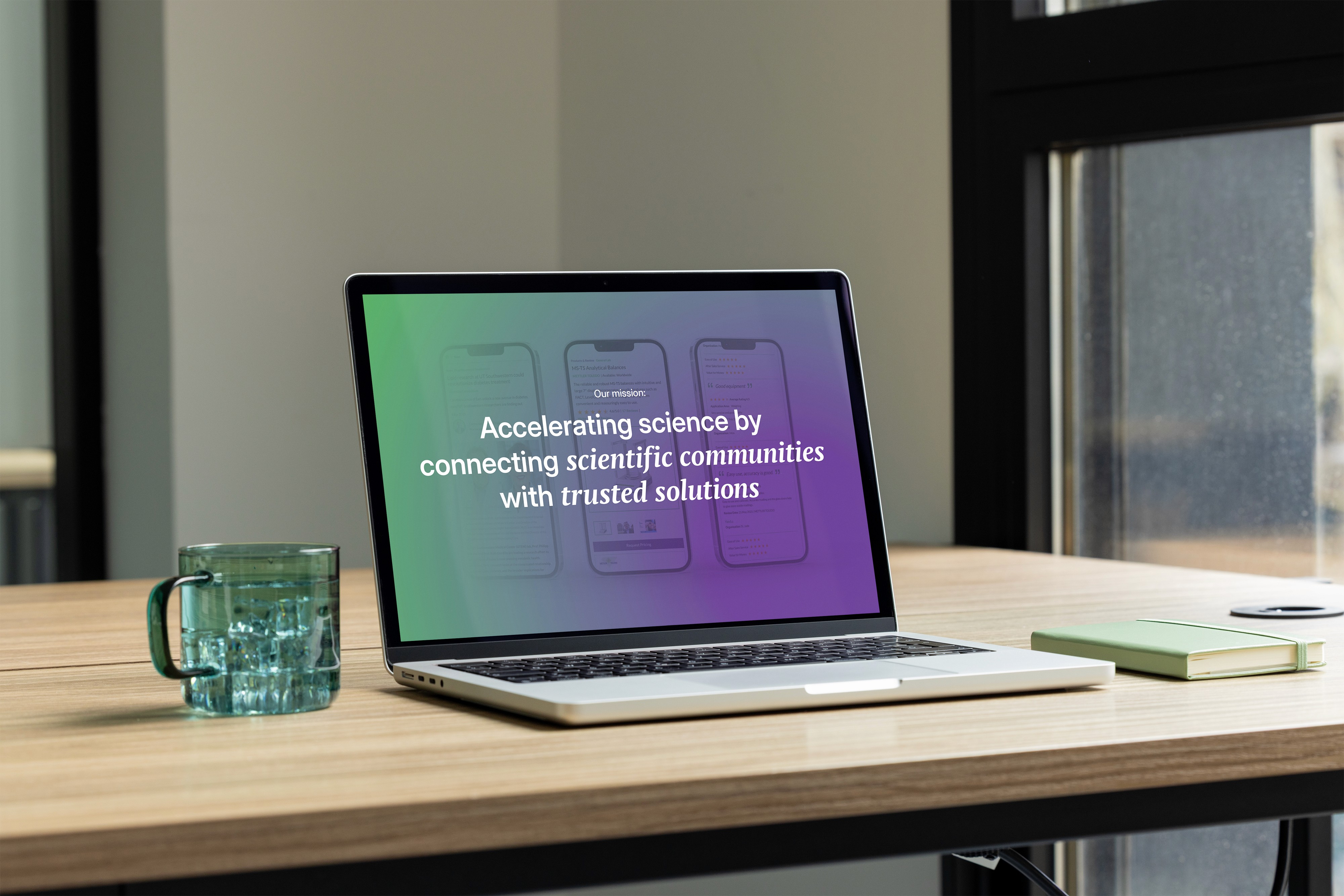
In 2025, the Media Kit led with long, research-heavy sections with dense copy around the state of marketing in the scientific industry. While informative about the overall picture of marketing, it lacked a clear solutions-led structure and didn’t place SelectScience’s unique value front and centre, slowing down sales conversations.
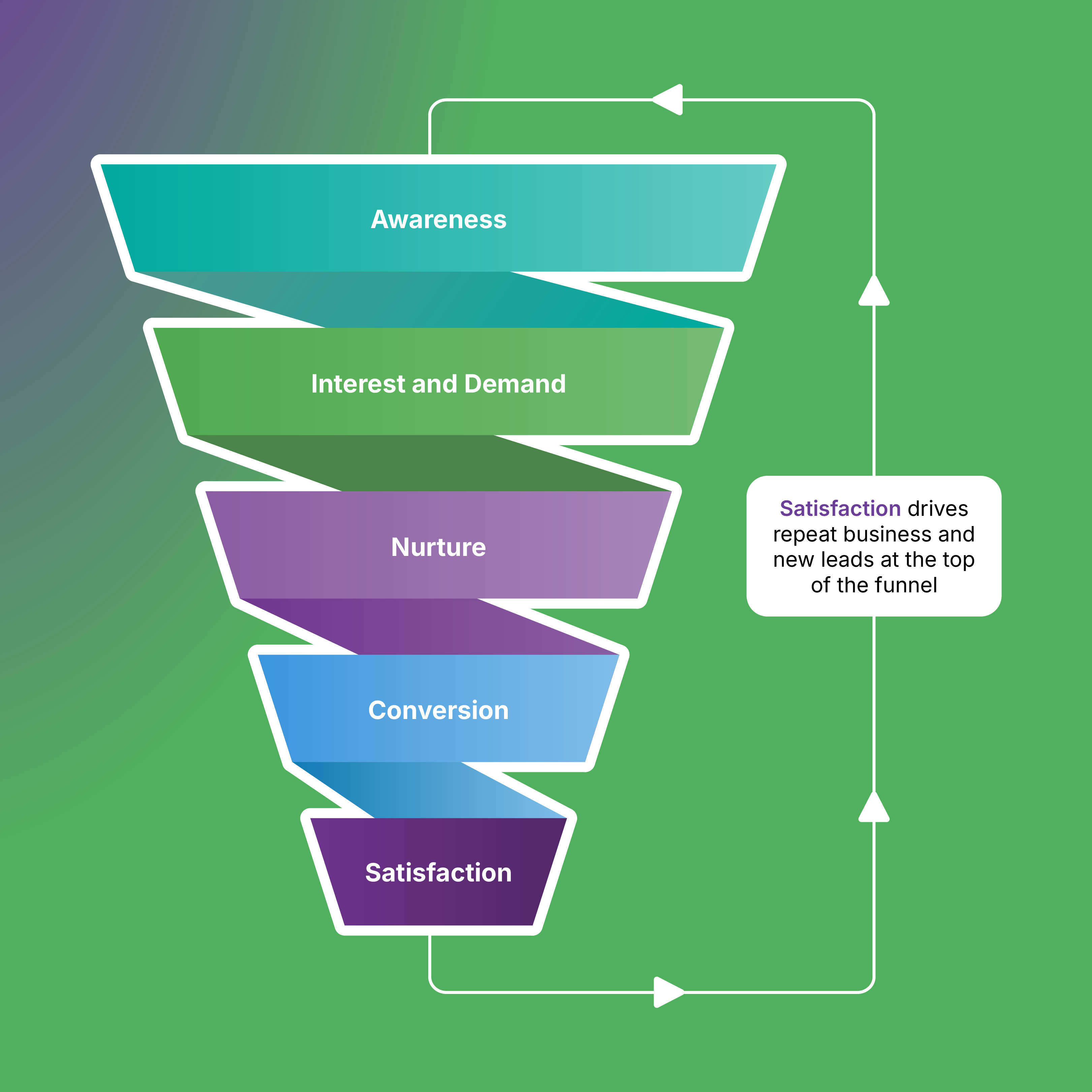
The message from the Sales teams in 2026 was clear: they needed a tool that would clearly link SelectScience’s specific products and offerings to the stages of the marketing funnel, to facilitate efficient conversations with scientific marketers and drive sales.
The challenge
In 2025, the Media Kit led with long, research-heavy sections with dense copy around the state of marketing in the scientific industry. While informative about the overall picture of marketing, it lacked a clear solutions-led structure and didn’t place SelectScience’s unique value front and centre, slowing down sales conversations.
The message from the Sales teams in 2026 was clear: they needed a tool that would clearly link SelectScience’s specific products and offerings to the stages of the marketing funnel, to facilitate efficient conversations with scientific marketers and drive sales.
The challenge
In 2025, the Media Kit led with long, research-heavy sections with dense copy around the state of marketing in the scientific industry. While informative about the overall picture of marketing, it lacked a clear solutions-led structure and didn’t place SelectScience’s unique value front and centre, slowing down sales conversations.
The message from the Sales teams in 2026 was clear: they needed a tool that would clearly link SelectScience’s specific products and offerings to the stages of the marketing funnel, to facilitate efficient conversations with scientific marketers and drive sales.



The process
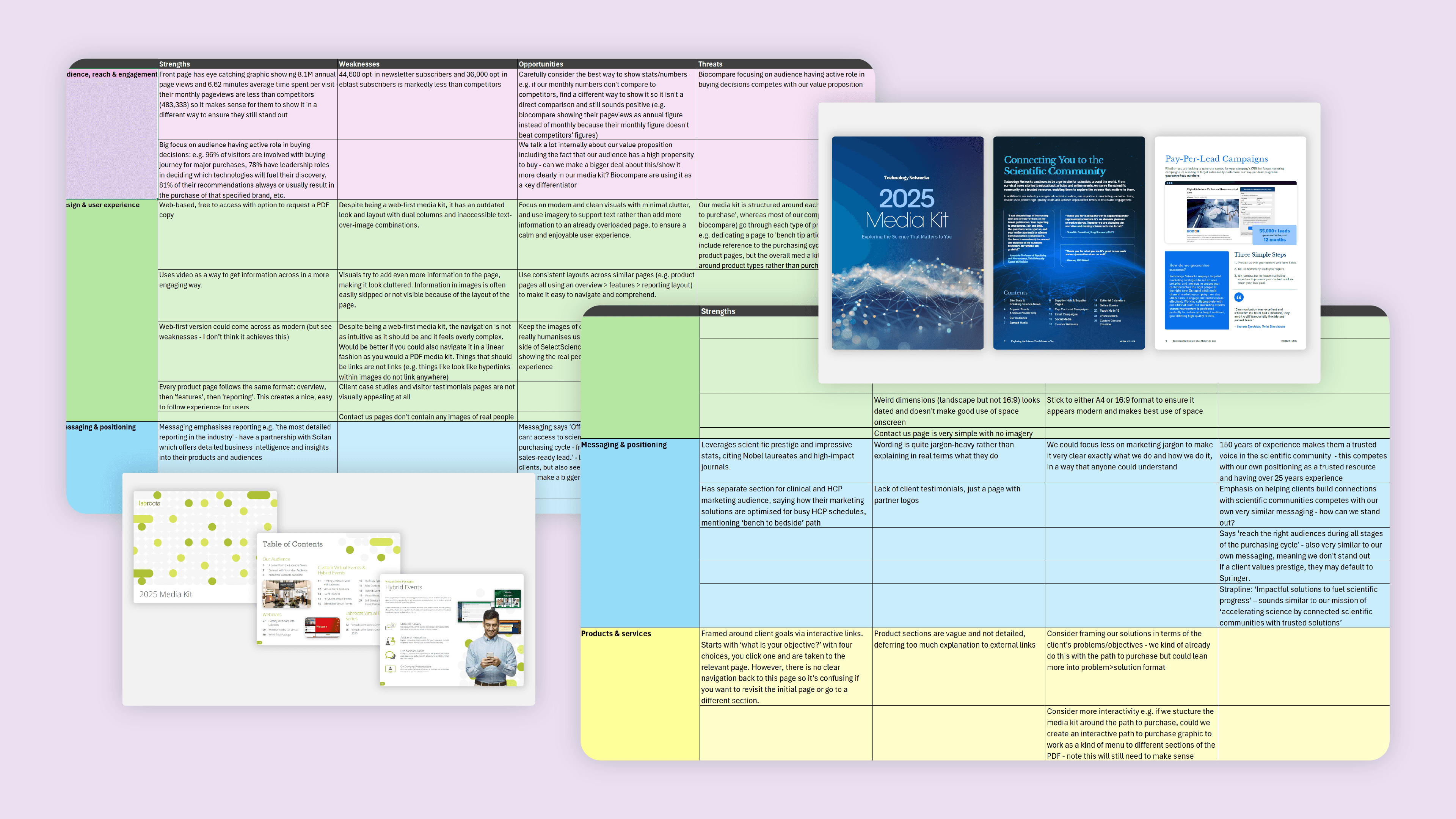
I conducted a competitor SWOT analysis and translated the insights into design decisions that would differentiate SelectScience. Key insights included prioritising data visualisation, using consistent iconography instead of stock imagery, adopting more intuitive structural patterns to support easy navigation.
I began by defining a cohesive and clean layout system in InDesign with clear headers, concise copy blocks and space for eye-catching visuals. I set up a matching PowerPoint wireframe file so that the Marketing Lead could draft content that would fit well within the layouts, saving time and reducing revisions later on.
The first version of the media kit design exceeded expectations, with comments predominantly highlighting small refinements rather than structural redesigns. Achieving such strong alignment with stakeholder expectations early on reduced the typical number of revision rounds and kept the project moving quickly.
The process
I conducted a competitor SWOT analysis and translated the insights into design decisions that would differentiate SelectScience. Key insights included prioritising data visualisation, using consistent iconography instead of stock imagery, adopting more intuitive structural patterns to support easy navigation.
I began by defining a cohesive and clean layout system in InDesign with clear headers, concise copy blocks and space for eye-catching visuals. I set up a matching PowerPoint wireframe file so that the Marketing Lead could draft content that would fit well within the layouts, saving time and reducing revisions later on.
The first version of the media kit design exceeded expectations, with comments predominantly highlighting small refinements rather than structural redesigns. Achieving such strong alignment with stakeholder expectations early on reduced the typical number of revision rounds and kept the project moving quickly.
The process
I conducted a competitor SWOT analysis and translated the insights into design decisions that would differentiate SelectScience. Key insights included prioritising data visualisation, using consistent iconography instead of stock imagery, adopting more intuitive structural patterns to support easy navigation.
I began by defining a cohesive and clean layout system in InDesign with clear headers, concise copy blocks and space for eye-catching visuals. I set up a matching PowerPoint wireframe file so that the Marketing Lead could draft content that would fit well within the layouts, saving time and reducing revisions later on.
The first version of the media kit design exceeded expectations, with comments predominantly highlighting small refinements rather than structural redesigns. Achieving such strong alignment with stakeholder expectations early on reduced the typical number of revision rounds and kept the project moving quickly.


The solution
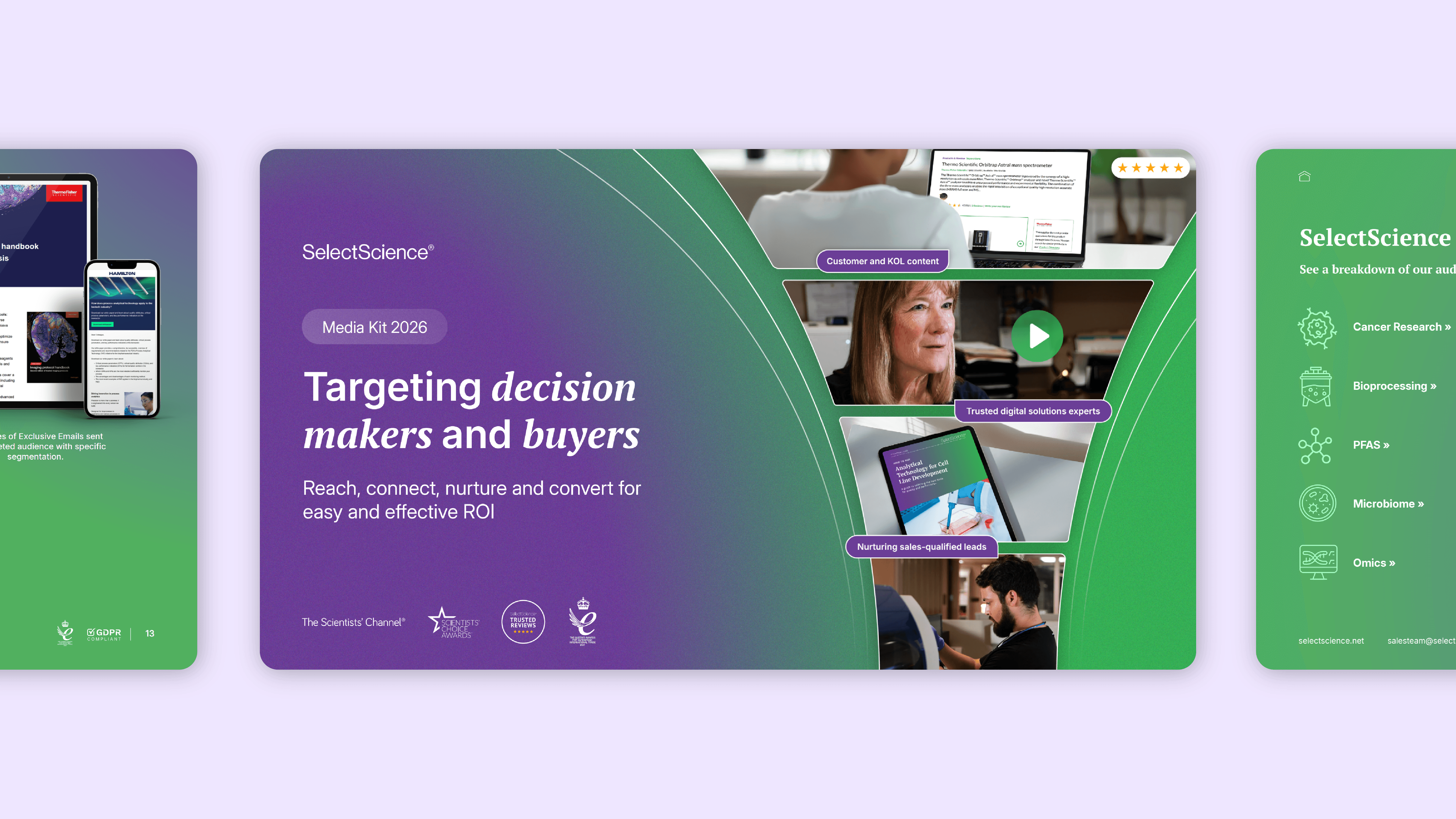
I created an eye-catching front cover that built upon the previous year’s iteration, incorporating SelectScience’s iconic gradient. The funnel-shaped design with product mockups highlights how SelectScience supports scientific marketers across all stages of the marketing funnel. Incorporating images taken from interviews with high profile scientists demonstrates SelectScience’s authenticity and expertise.
The solution
I created an eye-catching front cover that built upon the previous year’s iteration, incorporating SelectScience’s iconic gradient. The funnel-shaped design with product mockups highlights how SelectScience supports scientific marketers across all stages of the marketing funnel. Incorporating images taken from interviews with high profile scientists demonstrates SelectScience’s authenticity and expertise.
The solution
I created an eye-catching front cover that built upon the previous year’s iteration, incorporating SelectScience’s iconic gradient. The funnel-shaped design with product mockups highlights how SelectScience supports scientific marketers across all stages of the marketing funnel. Incorporating images taken from interviews with high profile scientists demonstrates SelectScience’s authenticity and expertise.


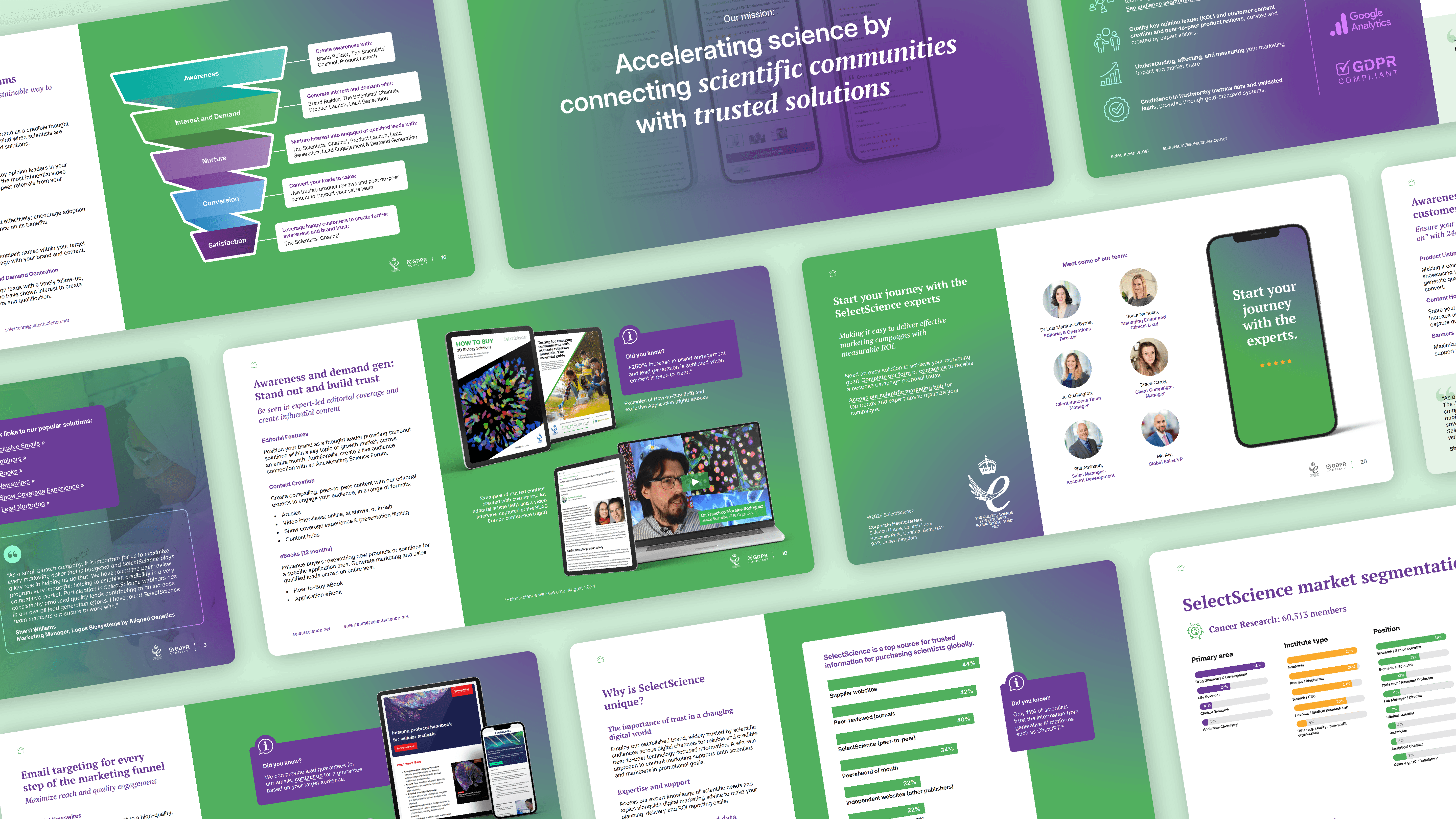
I redesigned the media kit around a clean, modular layout system that improves scannability and supports live sales conversations. I replaced the dense, text‑heavy structure of the 2025 edition with clear visual hierarchy, simplified content blocks, and intuitive page flows, ensuring key value messages, trust metrics, and audience insights appear early and are easy to digest.
I introduced quick links, streamlined navigation, and consistent component patterns, making the kit feel coherent and significantly reducing cognitive load. The result is a lighter, clearer, and more strategic design that elevates the brand and improves user understanding.
I redesigned the media kit around a clean, modular layout system that improves scannability and supports live sales conversations. I replaced the dense, text‑heavy structure of the 2025 edition with clear visual hierarchy, simplified content blocks, and intuitive page flows, ensuring key value messages, trust metrics, and audience insights appear early and are easy to digest.
I introduced quick links, streamlined navigation, and consistent component patterns, making the kit feel coherent and significantly reducing cognitive load. The result is a lighter, clearer, and more strategic design that elevates the brand and improves user understanding.
I redesigned the media kit around a clean, modular layout system that improves scannability and supports live sales conversations. I replaced the dense, text‑heavy structure of the 2025 edition with clear visual hierarchy, simplified content blocks, and intuitive page flows, ensuring key value messages, trust metrics, and audience insights appear early and are easy to digest.
I introduced quick links, streamlined navigation, and consistent component patterns, making the kit feel coherent and significantly reducing cognitive load. The result is a lighter, clearer, and more strategic design that elevates the brand and improves user understanding.


Results
Streamlined feedback cycle: The first draft was praised for high quality and alignment with expectations, with predominantly minor comments usually only achieved near the final stage of the project.
Sales enablement: The kit is now better suited to live use, with early value proof, quick links and a clearer product taxonomy that enables more efficient conversations with marketers. The kit achieved 25% more leads in the first month after launch than the previous year.
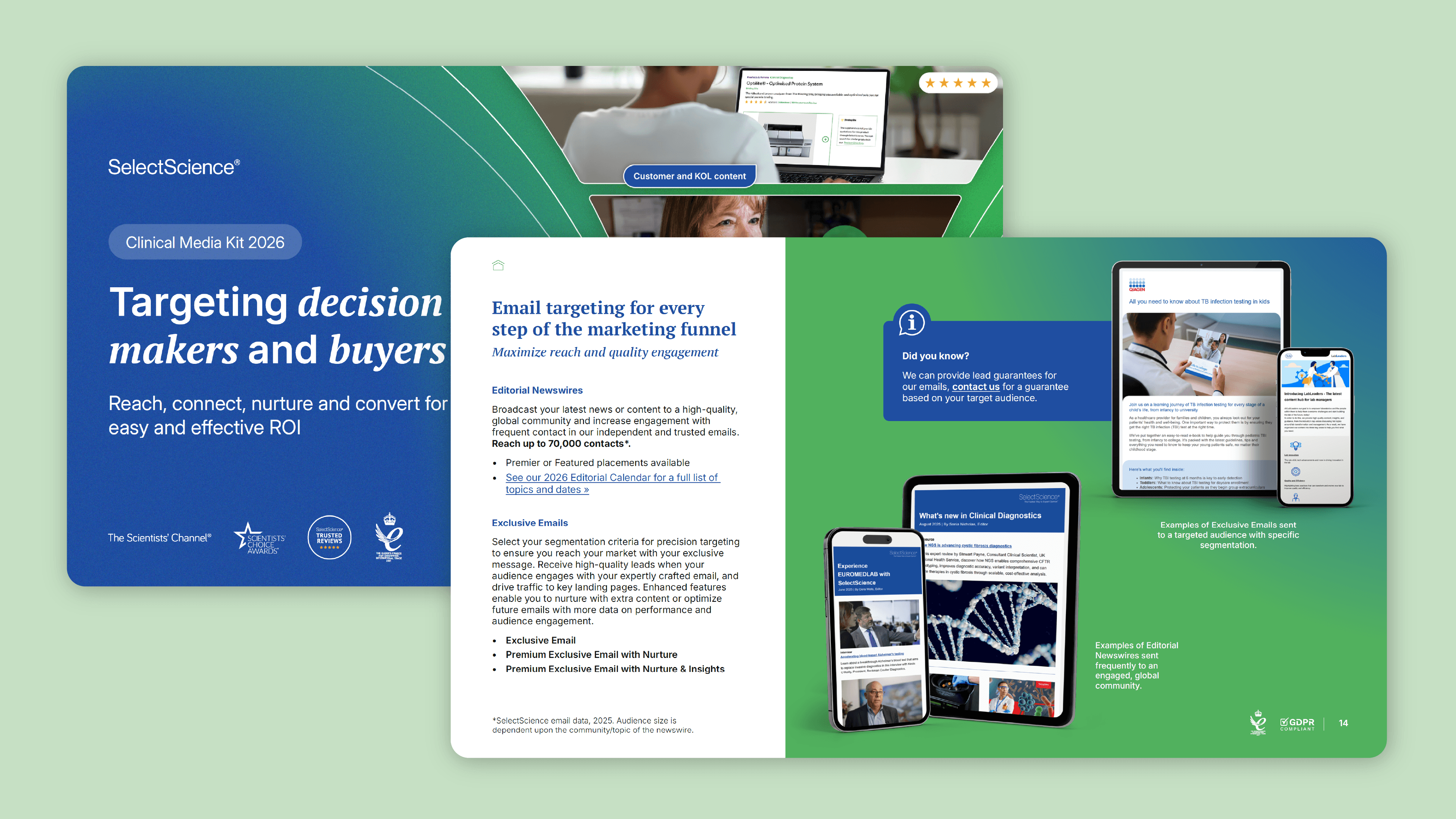
Reusable, versatile layouts: Prioritising versatile layouts not only saved time in this process, but also meant that the kit could be easily adapted later on to produce a further kit specific to the Clinical aspect of the business.
Results
Streamlined feedback cycle: The first draft was praised for high quality and alignment with expectations, with predominantly minor comments usually only achieved near the final stage of the project.
Sales enablement: The kit is now better suited to live use, with early value proof, quick links and a clearer product taxonomy that enables more efficient conversations with marketers. The kit achieved 25% more leads in the first month after launch than the previous year.
Reusable, versatile layouts: Prioritising versatile layouts not only saved time in this process, but also meant that the kit could be easily adapted later on to produce a further kit specific to the Clinical aspect of the business.
Results
Streamlined feedback cycle: The first draft was praised for high quality and alignment with expectations, with predominantly minor comments usually only achieved near the final stage of the project.
Sales enablement: The kit is now better suited to live use, with early value proof, quick links and a clearer product taxonomy that enables more efficient conversations with marketers. The kit achieved 25% more leads in the first month after launch than the previous year.
Reusable, versatile layouts: Prioritising versatile layouts not only saved time in this process, but also meant that the kit could be easily adapted later on to produce a further kit specific to the Clinical aspect of the business.


Reflections
Strategy-driven design: Taking the time to do a thorough SWOT analysis at the start of the project kept my final design focused on differentiating SelectScience from its competitors, ensuring decisions were made strategically rather than just for aesthetic reasons. I think this is why the first draft was so well-received: all stakeholders were in alignment on content strategy from the beginning of the project, and all design decisions supported that strategy.
Future opportunity: Given the time and resources, I would love to explore creating an interactive version of the Media Kit, building upon the strong foundation of the navigation system I built in PDF form. A web version would facilitate video content and further interactivity to support customer understanding.
Reflections
Strategy-driven design: Taking the time to do a thorough SWOT analysis at the start of the project kept my final design focused on differentiating SelectScience from its competitors, ensuring decisions were made strategically rather than just for aesthetic reasons. I think this is why the first draft was so well-received: all stakeholders were in alignment on content strategy from the beginning of the project, and all design decisions supported that strategy.
Future opportunity: Given the time and resources, I would love to explore creating an interactive version of the Media Kit, building upon the strong foundation of the navigation system I built in PDF form. A web version would facilitate video content and further interactivity to support customer understanding.
Reflections
Strategy-driven design: Taking the time to do a thorough SWOT analysis at the start of the project kept my final design focused on differentiating SelectScience from its competitors, ensuring decisions were made strategically rather than just for aesthetic reasons. I think this is why the first draft was so well-received: all stakeholders were in alignment on content strategy from the beginning of the project, and all design decisions supported that strategy.
Future opportunity: Given the time and resources, I would love to explore creating an interactive version of the Media Kit, building upon the strong foundation of the navigation system I built in PDF form. A web version would facilitate video content and further interactivity to support customer understanding.
© Keeley Seymour